Navigating Singapore’s Housing Dilemma: Balancing Nature and Development
0 views
September 14, 2026
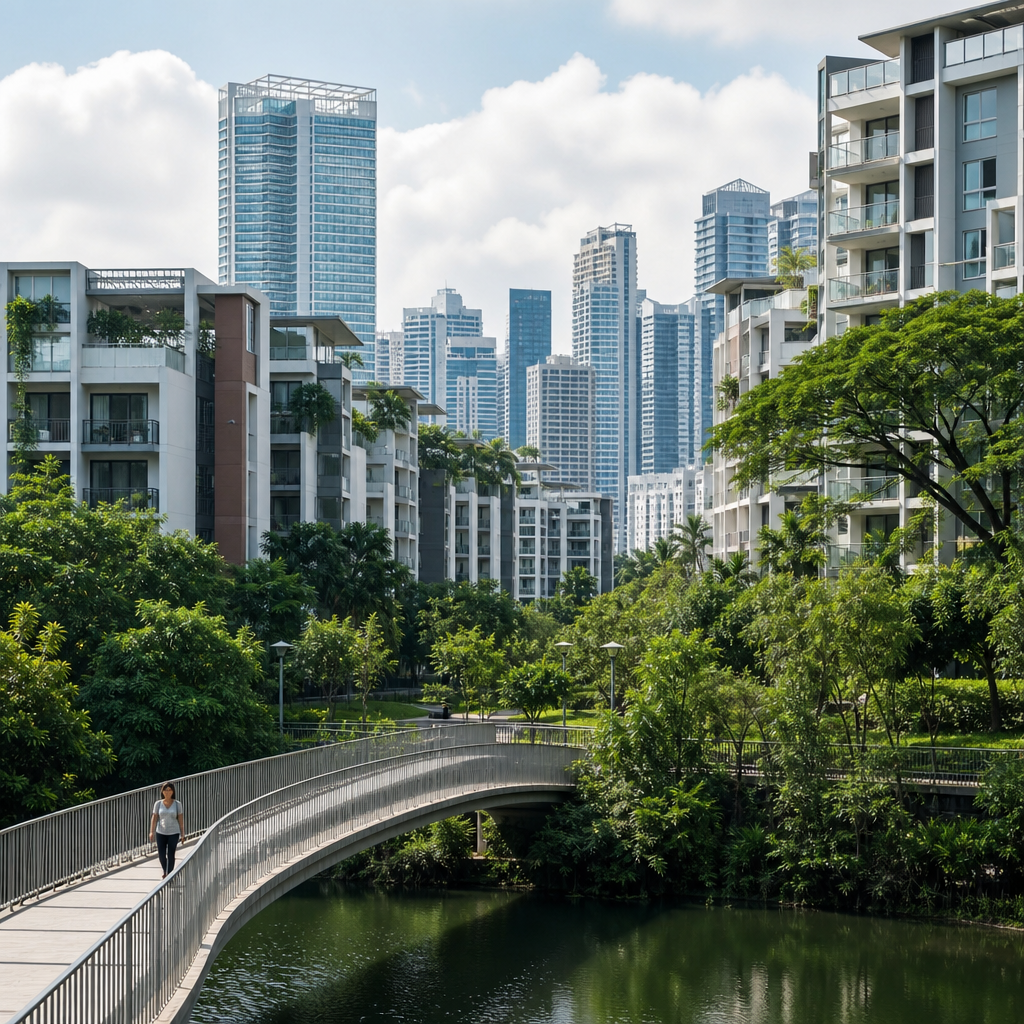
In a recent dialogue, Second Minister for National Development Indranee Rajah addressed the complex issue of housing development in Singapore, particularly the government’s consideration of building homes on greenery and heritage sites. This decision is not taken lightly; it is made only when suitable brownfield sites are unavailable. The minister highlighted the pressing need for more housing as Singapore’s demographics shift, with an increasing number of seniors wanting to age in place and more young singles desiring their own homes. This shift has reduced the average household size in HDB units, amplifying the demand for housing.
To accommodate this demand, the government plans to utilize brownfield sites and is also considering taller and deeper constructions, as seen in the upcoming housing development at Outram Park. Furthermore, as leases on golf courses expire, these areas are being earmarked for redevelopment to meet housing needs. By 2030, the government anticipates reclaiming over 400 hectares of land previously used for golf courses.
Indranee emphasized that while the need for housing is paramount, the government remains committed to preserving Singapore’s greenery and heritage. This commitment is underlined by public feedback that has influenced housing plans in areas like Gillman Barracks and Maju Forest, where more green spaces will be preserved, albeit at the cost of fewer homes being built.
The government is also increasing the supply of Build-To-Order (BTO) flats, with a commitment to launch 55,000 units between 2025 and 2027. This increase is especially directed towards meeting the needs of seniors and singles, with a nearly 50% rise in the supply of two-room flexi flats. Moreover, the income ceiling for subsidized flats is being raised to enhance accessibility for more Singaporeans, allowing a broader range of families and individuals to qualify for BTO flats.
From my perspective as a property agent, this ongoing dialogue and the government’s proactive approach to housing indicates a recognition of the evolving needs of Singaporeans. The balance between development and preservation is crucial, especially in a city-state where land is at a premium. While the government’s efforts to increase housing supply are commendable, it is essential to ensure that the charm and integrity of Singapore’s green spaces and heritage sites are not compromised. This dual focus can enhance property values and quality of life, which is ultimately beneficial for both current and prospective homeowners.
For everyday buyers, sellers, tenants, and landlords, these developments signal several important trends. First, if you are looking to buy or rent, the increased supply of BTO flats means more options in the coming years, especially for first-time buyers. However, you may also want to consider the potential for higher property values in areas where new developments are planned, as demand often drives prices up.
For those living near proposed development sites, it’s wise to stay informed about changes to your neighborhood. Retained greenery might mean a more pleasant living environment, potentially increasing your property’s appeal and value. On the flip side, temporary inconveniences during construction phases could affect day-to-day life.
Sellers should note that the government’s initiatives may create a more competitive market. With more options available, buyers might be more discerning, so it’s crucial to present properties in the best light and stay updated on market trends.
For landlords, understanding the government’s focus on housing supply and affordability can inform your rental strategy. Engaging with tenants’ needs, especially as demographics shift, will be vital to maintaining occupancy rates. As the landscape of public housing evolves, landlords who adapt to these changes—whether through property upgrades or flexible leasing arrangements—will likely find greater success.
In conclusion, the ongoing developments in Singapore’s housing landscape reveal a government committed to meeting the needs of its citizens while preserving what makes the nation unique. As the market evolves, staying informed and adaptable will be key for all stakeholders in the property market.
Source: The Straits Times