Who Foots the Bill for Condo Defects Years Later?
2 views
September 21, 2026
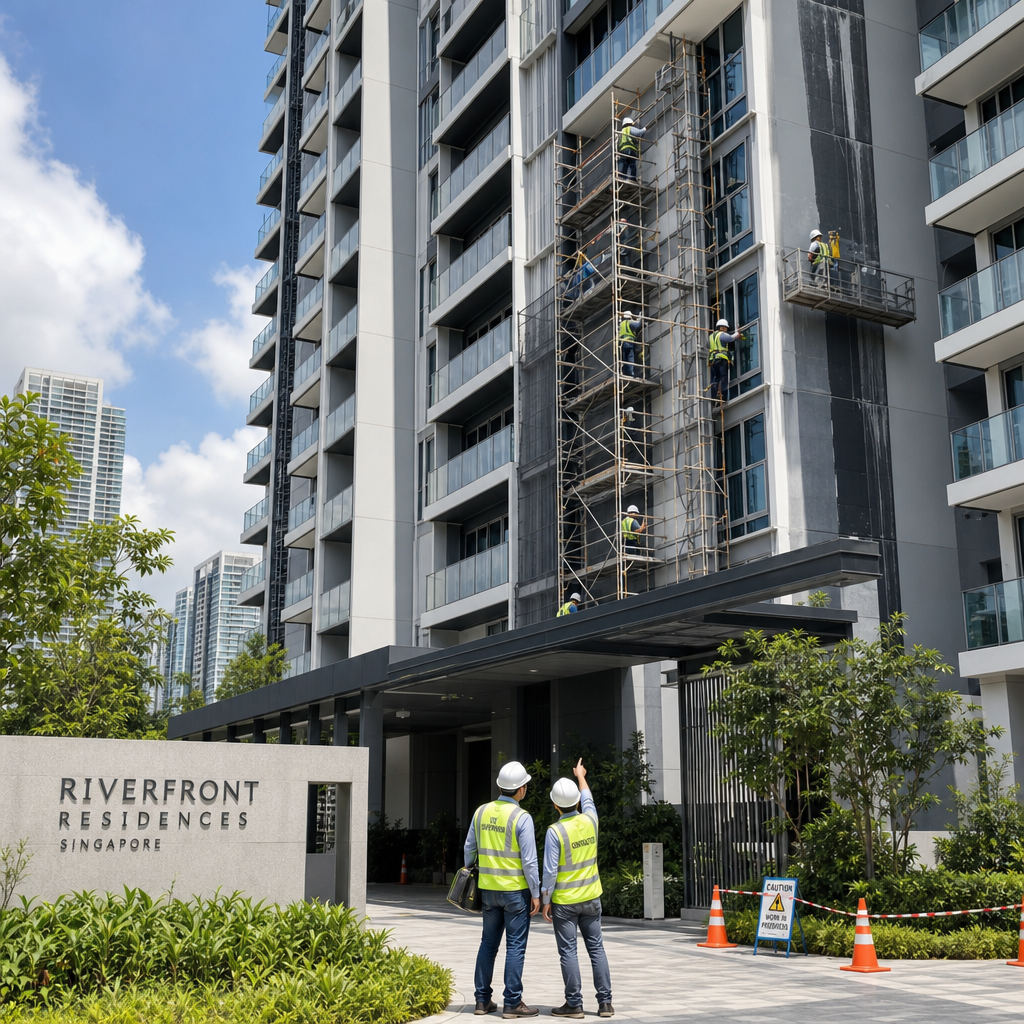
In Singapore, condominium defects that surface years after the completion of a project have become a contentious issue, leaving many homeowners in a dilemma about who is responsible for the repair costs. Recent lawsuits involving the management corporations of Canberra Residences and Foresque Residences highlight this growing concern. In both cases, defects like water seepage and structural issues have emerged long after the properties were completed, leading to disputes among developers, contractors, and management corporations. What complicates matters is the tendency of developers to dissolve their companies shortly after project completion, leaving homeowners with potentially hefty repair bills and limited avenues for recourse.
In Canberra Residences, issues began surfacing shortly after residents moved in, culminating in a settlement agreement reached in 2020 to handle rectifications. However, the management corporation alleges that many problems, including water seepage and defective glass panels, remain unaddressed. In Foresque Residences, a significant defect was discovered a decade post-completion, leading to a claim involving multiple parties who are now deflecting responsibility for the repair costs. With some developers and contractors now insolvent, the burden of rectification often falls on the management corporations, and ultimately, the homeowners.
As a licensed property agent, I find this situation concerning for both current and prospective buyers in the Singapore real estate market. It’s crucial for homeowners to understand the implications of these legal battles. The legal framework around defects can be quite complex, with a one-year defects liability period that allows buyers to report issues to developers. However, once this period lapses, homeowners have to navigate the Limitation Act, which can limit the time frame for pursuing legal claims. This means that if defects are not identified early, homeowners may find themselves without recourse as the years pass.
For everyday buyers and sellers, it’s essential to be proactive when considering condominium purchases. Before making a commitment, conduct thorough due diligence on the developer’s track record and check for any ongoing litigation related to defects in their previous projects. This will not only inform you about potential risks but also give you a clearer picture of what to expect if issues arise after your purchase.
For current homeowners, it’s vital to maintain open communication with your management corporation. If you suspect any defects, report them promptly within the stipulated one-year period. Even if you are past this period, consulting legal advice may be worthwhile, especially if you believe latent defects exist. Landlords should also be aware that unresolved defects can affect tenant satisfaction and retention, leading to longer-term financial impacts.
Overall, the landscape surrounding condominium defects in Singapore highlights the importance of being informed and vigilant. The challenges that arise when construction companies dissolve or avoid accountability can leave homeowners vulnerable, so it’s crucial to approach property investment with a cautious mindset.
Source: The Straits Times