Understanding the Recent Rise in Land Betterment Charges in Singapore
September 12, 2026
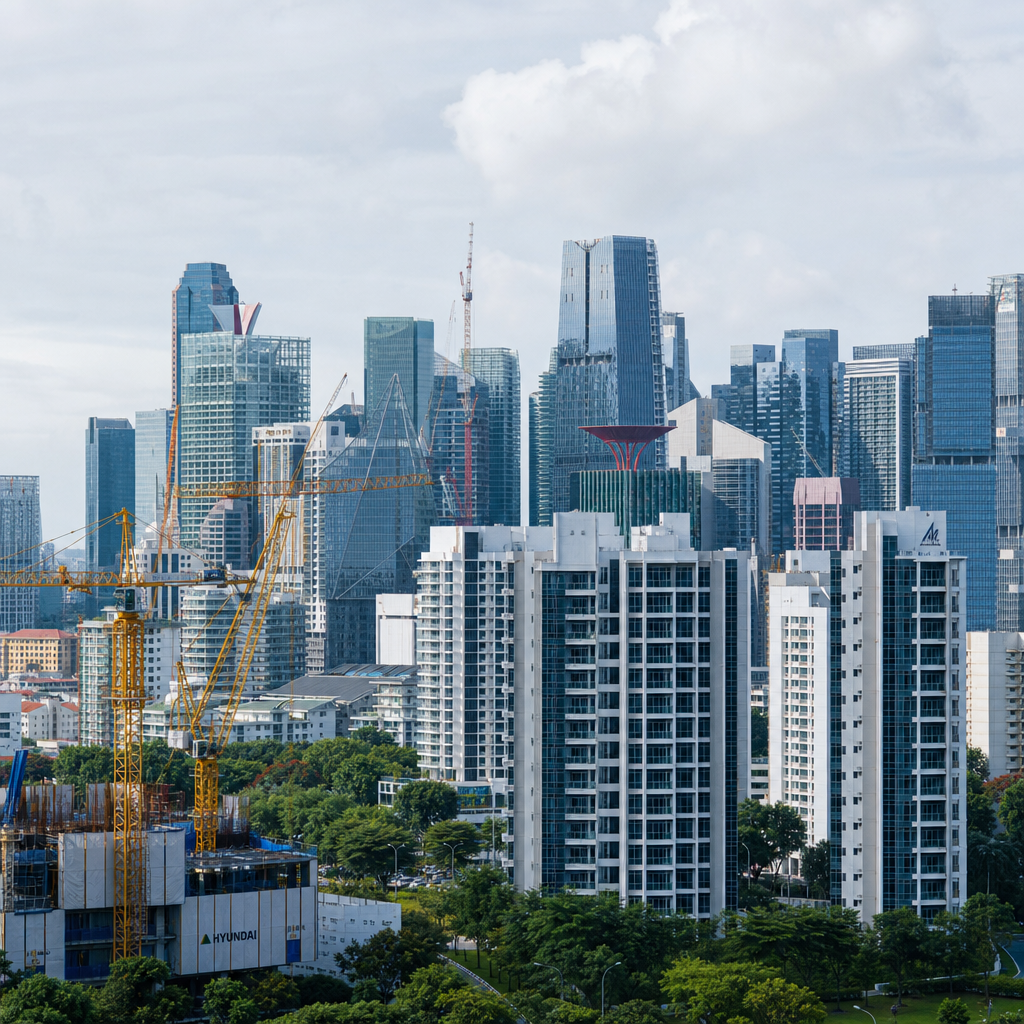
In a recent announcement, the Singapore government revealed that land betterment charges (LBC) will see an average increase of 3.4% for non-landed residential properties and 3.5% for landed residential properties. This adjustment is part of a half-yearly review conducted by the Singapore Land Authority, reflecting the ongoing rise in property prices across various sectors. Notably, while charges for residential, industrial, and commercial properties have increased, those for hotels and hospitals remain unchanged.
The review is significant as LBC is paid by developers who wish to enhance the use of specific sites or expand their projects. Affected sectors include residential, industrial, commercial, and civic institutions, with increases ranging from 1.7% to 3.9% depending on the category. For instance, the non-landed residential sector saw the highest increase of 29.1% in certain areas, highlighting the disparity in land value growth across different regions of Singapore.
As a licensed property agent, I believe that these rising charges indicate a robust demand for land in Singapore, particularly in prime locations. Such increases can potentially affect project feasibility for developers, influencing their decisions on future developments. However, even with these adjustments, the overall sentiment in the market remains optimistic, particularly for collective sales, as developers continue to seek value in well-located sites.
For everyday buyers, sellers, tenants, and landlords, this rise in land betterment charges can have a notable impact. For buyers looking to invest in non-landed or landed residential properties, these charges may translate into slightly higher overall project costs, which could affect pricing. While it’s essential to keep an eye on these charges, potential buyers should also consider the long-term benefits of investing in properties in growing areas, especially if the land value continues to appreciate.
Sellers, particularly those in collective sales, should be aware that while LBC increases could deter some developers, the fundamental factors of location and market demand will still play a crucial role in determining sale prices. Sellers may need to adjust their expectations and pricing strategies accordingly, especially in regions where LBC has spiked significantly.
Tenants should not feel an immediate impact from these changes, but it is worth noting that as operating costs for landlords may increase, some landlords might consider passing on these costs through rent increases in the future. Landlords should be proactive in managing their properties and understanding how these charges affect their investment outlook.
In summary, while the increase in land betterment charges reflects a thriving property market in Singapore, it also necessitates careful consideration for all stakeholders involved. Buyers and sellers alike should remain vigilant about market conditions and pricing strategies, ensuring that they make informed decisions in this ever-evolving landscape. With property demand showing no signs of slowing down, understanding these dynamics is crucial for navigating the Singapore real estate market effectively.
Source: The Business Times